Making peanut butter from scratch is one thing that you may assume to be a waste of time, as it’s merely peanut butter. Yet after you’ve experienced it once, you will be fully aware of the differences between store-bought peanut butter and the homemade variety.Homemade peanut butter consists solely of peanuts that have been ground …

Making peanut butter from scratch is one thing that you may assume to be a waste of time, as it’s merely peanut butter. Yet after you’ve experienced it once, you will be fully aware of the differences between store-bought peanut butter and the homemade variety.
Homemade peanut butter consists solely of peanuts that have been ground into a paste form. No long list of ingredients, no preservatives, no added stabilizers like in so many other gels; just simple and it works.
That is why the number of people trying to prepare peanut butter at home is increasing. It just gives more control. You can taste the freshness, the food has a better mouth feel, and you don’t need to wonder what all of it really is!
In addition to this, such peanut butter is easy to incorporate into regular meals due to its health value, as it provides a peanut butter protein intake. At the same time, its other benefits, such as increased satiety and stable energy levels, do not make consumption hard to maintain.
The following guide will explain everything from the materials needed, preparation process, pitfalls, and tips on using the product effectively.
Table of Contents
Why Homemade Peanut Butter Is Better
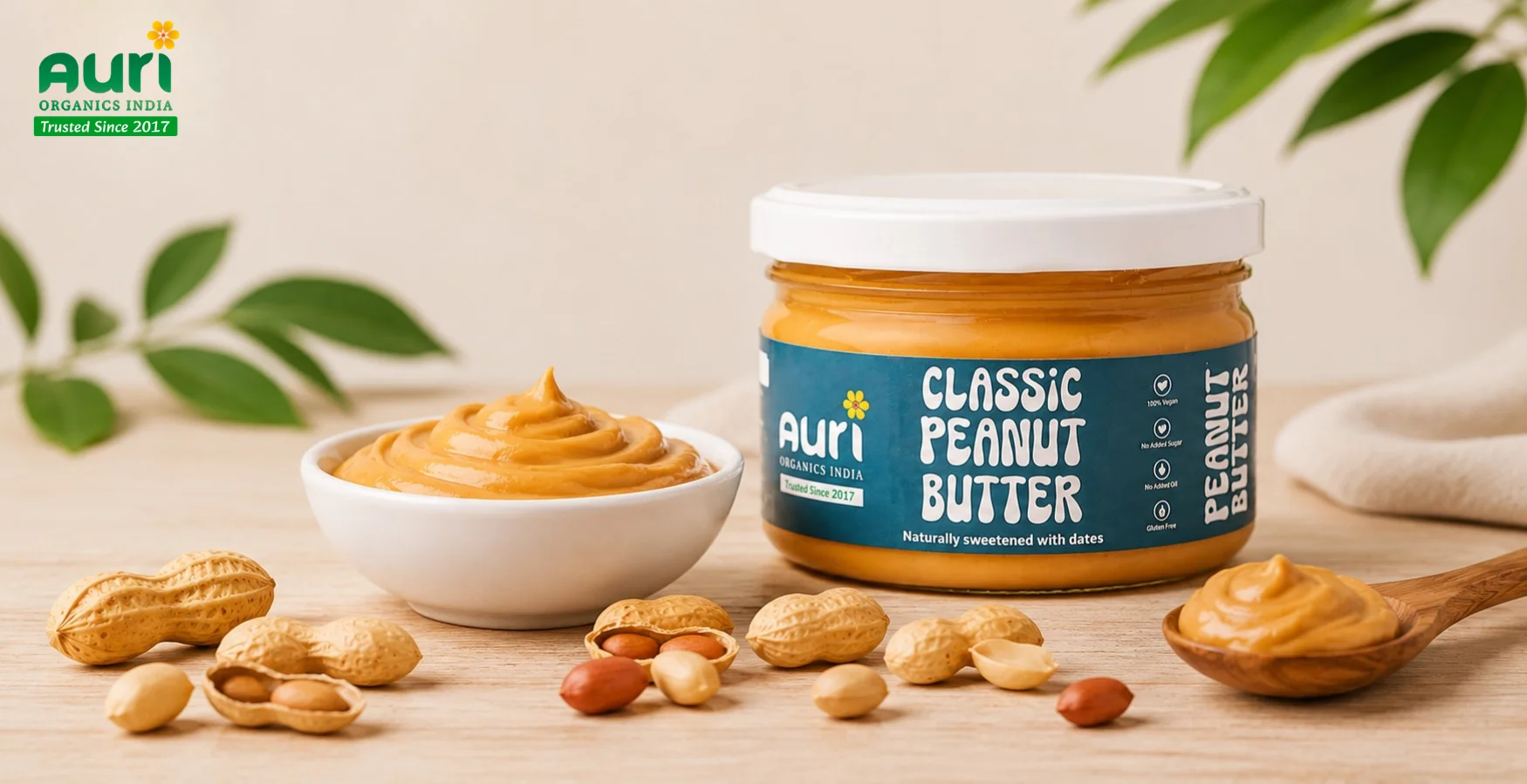
There seems to be no visible difference between homemade and store-bought peanut butter. However, with time, the difference becomes clear.
No Artificial Preservatives Added
During the process of making peanut butter using online guides, there are no artificial preservatives added, which extend the shelf life of the peanut butter. The resulting peanut butter will just have a freshness that cannot be beaten.
Ingredient and Sweetness Control
Here comes the fun part. Some amount of salt can be added, sweetness can be controlled, and even the consistency is altered by blending time.
Freshness and Consistency
It doesn’t taste overly smooth or overly sweet. It tastes like peanuts, slightly rich, a little uneven at times, but real.
Ideal for Healthy Snacks and Fitness Diets
Being very simple and pure, this option goes well with regular meals and helps increase your protein consumption through peanut butter.
Cost Effective
This option tends to be cheaper than buying it from a store since you’ll need the ingredients on a regular basis. This is one of the practical uses of peanut butter that one starts appreciating after making it once.
Ingredients Required to Make Peanut Butter at Home
One of the best things about preparing peanut butter at home is the required ingredients. It’s short, and most of it is optional.
Basic Ingredients
- Roasted peanuts
- Salt (optional)
- Honey or natural sweetener (optional)
- Cocoa or chocolate (optional variation)
- Oil (only if needed)
Quick Ingredient Table
Ingredient | Quantity | Purpose |
Roasted peanuts | 2 cups | Base ingredient |
Salt | 1 pinch | Balances flavor |
Honey (optional) | 1–2 tsp | Adds mild sweetness |
Cocoa (optional) | 1 tsp | For variation |
Oil (if needed) | 1–2 tsp | Adjusts texture |
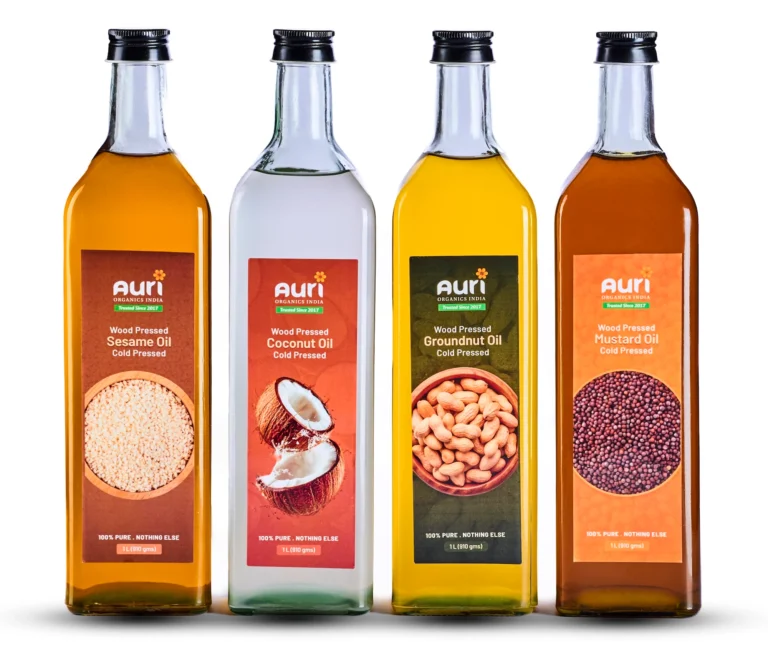
If oil is needed, something light like wood pressed groundnut oil works well. It helps with consistency without changing the taste too much.
Step-by-Step Process to Make Peanut Butter at Home
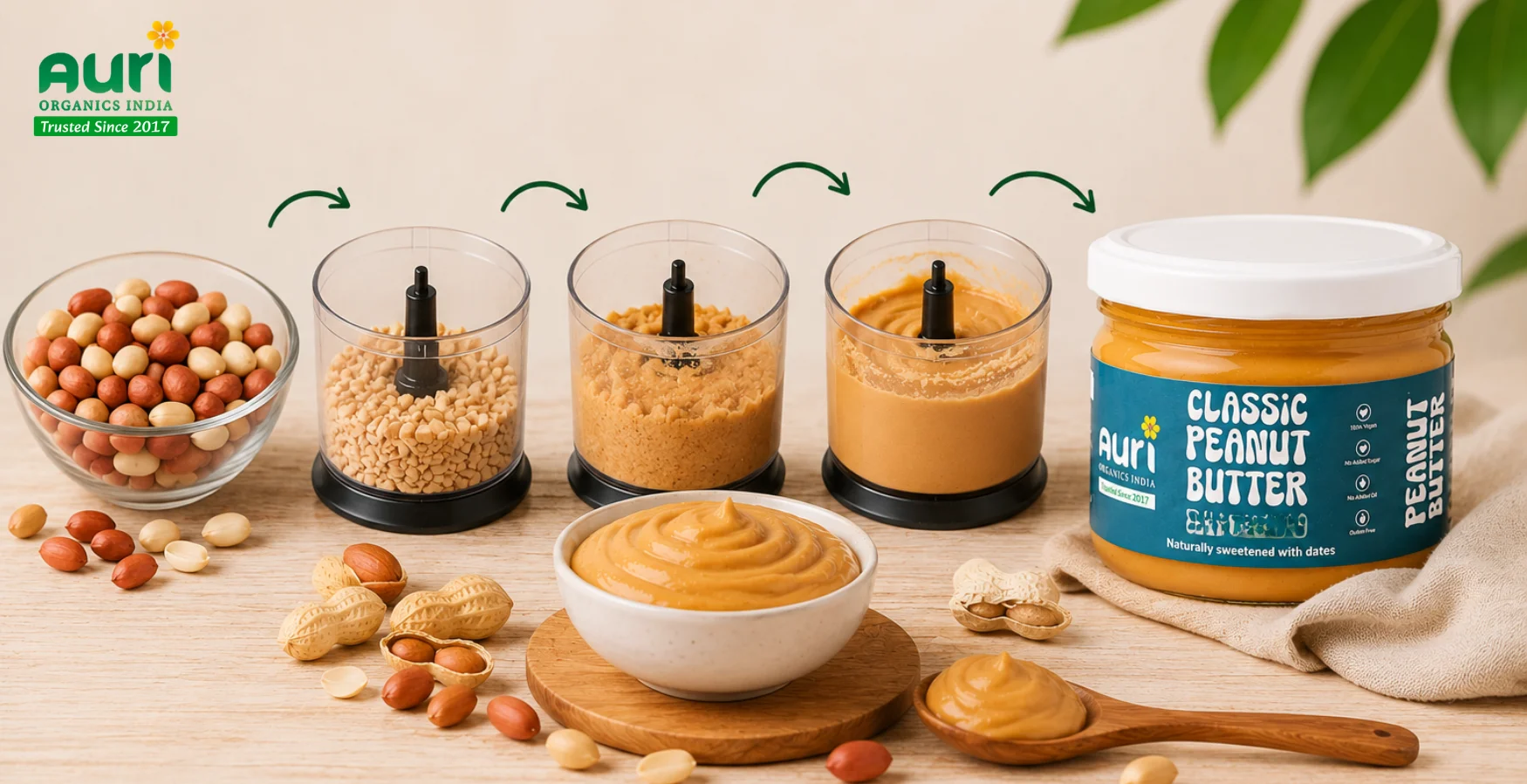
When the basic concepts are understood the process of making the peanut butter yourself all about just letting the process work its magic. There’s nothing you can make, the process will come all on its own.
Step 1: Roast the Peanuts
Roasting brings the flavor to the forefront. If it isn’t done, the flavor can be a bit bland.
Even if the peanuts have already roasted and cooled, warming them a bit helps to release their natural oils which allows for easier mixing later.
Step 2: Cool and Peel the Peanuts
After roasting, allow them to cool.
Peeling isn’t required, but getting rid of a portion of the skin could improve the texture and make it somewhat less bitter. It’s only a minor step, but it can affect the final appearance.
Step 3: Blend the Peanuts
This is where everything begins to connect.
At first glance, it appears dry and crumbly. Then slowly, the peanuts release their oil and turn into a paste. That shift is what makes how to make peanut butter at home feel satisfying.
- Less blending → chunkier texture
- More blending → smoother consistency
Stopping too early is one of the most common mistakes. It just needs a bit more time than expected.
Step 4: Add Optional Ingredients
Once the base is ready, small additions can be made:
- Salt for balance
- Honey for a light sweetness
- Cocoa for chocolate peanut butter
- Cinnamon for a subtle variation
Keep it plain so the taste of the peanut remains intact. The actual health benefits of peanut butter come from here.
Step 5: Storing the Peanut Butter
- Put it in airtight containers after making it.
- Store it out in the open for normal use.
- Store it in the fridge if keeping for longer durations.
- Separation of oil is quite normal. Just mix it up quickly before using.
After going through all the steps involved in making peanut butter, you will find how easy the procedure is to do. With the inclusion of the extra protein in peanut butter, incorporating it in your daily life will not require much hard work.
Slowly, the steps will become part of your routine.
Common Mistakes to Avoid While Making Peanut Butter
The process is simple, but small things can change the result more than you’d expect.
- Using under-roasted peanuts → the flavor feels flat, and you miss out on the natural peanut butter benefits
- Adding too much oil → the texture turns too runny and loses its balance
- Overusing sweeteners → covers the natural taste and reduces the focus on peanut butter protein
- Stopping blending too early → leaves it grainy and incomplete
- Poor storage → affects freshness over time
Understanding these basics helps understand better how to make peanut butter at home.
Benefits of Peanut Butter
The peanut butter benefits make it remain a component of regular meals. The fact that it is not hard and just works well makes it such an ingredient.
- A healthy ratio of fats and proteins in peanut butter enables a person to eat it regularly
- Helps in keeping the feeling of hunger stable and constant especially during intervals between meals
- Provides a constant source of energy throughout the day without any energy breakdowns
- Can be added easily into daily diet plans even for fast meals without preparation
- And when you learn how to make peanut butter at home, you can enjoy its same benefits.
Why Do Fitness Enthusiasts Prefer Eating Peanut Butter Protein?
The peanut butter protein emphasis arises from the ease of incorporating these into our day to day eating.
No special prep is required for it. Without thinking too much, you can put it on the dishes; and even if not packed, it contributes directly to nutritious meals. This is where the simple everyday peanut butter benefits come into play, its basic yet effective.
- Helps with muscle recovery
- Supports satiety
- Works well before and after workouts
If you want to be healthier but don’t wish to change their lifestyle, knowing ways to prepare peanut butter will help make certain that eating peanut butter is easy, simple and practical.
The Best Way to Eat Homemade Peanut Butter
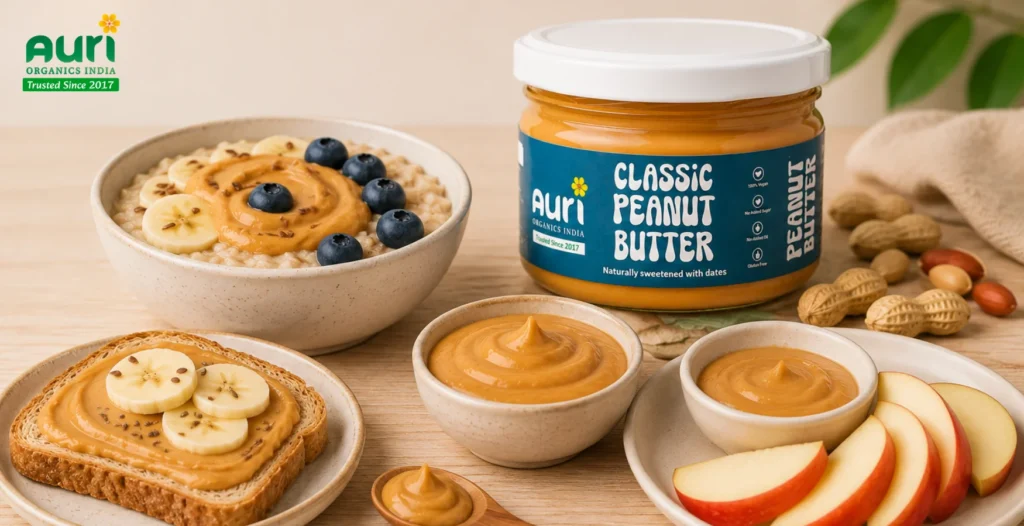
Peanut butter made at home is rarely wasted. It will naturally appear in your everyday meals. It’s what usually happens when you learn ways to prepare peanut butter in your kitchen. It’s just an integral part of our routine with no effort.
Toast and Sandwiches
A simple spread on toast is usually where it begins. Maybe with bananas, maybe with a bit of honey. It’s quick, filling, and doesn’t need planning.
Over time, it becomes something you reach for without thinking. That’s one of the more practical peanut butter benefits, it works without needing attention.
Smoothies and Shakes
Adding peanut butter to a smoothie changes it completely. It makes it thicker, more balanced, and more satisfying.
This is where peanut butter protein actually adds value. It turns something light into something that keeps you full longer, without needing extra ingredients.
Oats and Yogurt
Oats can feel repetitive after a while. Peanut butter changes that in a simple way.
It blends in easily, adds a natural richness, and makes the meal feel more complete. It’s also an easy way to include peanut butter protein early in the day.
Fruit Dip
Combining peanut butter with fruits is easy, yet very reliable. The typical fruits used include apples and bananas, with very little else required.
It is perhaps the easiest way of gaining the regular health benefits of peanut butter without actually preparing whole meals.
Pancakes and Healthier Desserts
This idea can be readily applied in making desserts, too. Just spreading a small amount of it on pancakes will do without making things too sugary.
Adding a little cocoa makes an easy form of chocolate peanut butter. It adds a different note without changing the base too much.
Pre-Workout Snacks
Before a workout, peanut butter works because it feels balanced. It doesn’t sit too heavy, but it gives enough energy to carry through.
The combination of fats and peanut butter protein makes it practical without needing anything complicated.
To add some variety in your diet, you may also combine it with other ingredients such as almond butter occasionally to avoid monotony.
With practice, getting back to making peanut butter is not something you have to think about much; you simply do it.
Homemade Peanut Butter vs Store-Bought Peanut Butter
At first glance, there will be no apparent distinction. But with time, you notice it.
There are some things about homemade peanut butter that make it seem different. For example, homemade peanut butter does not have that smoothness to it, and sometimes you will need to stir it. This, however, is what makes it natural and once you learn how to make peanut butter at home, it starts making sense.
When it comes to store-bought peanut butter, it has that uniformity because of additives. They’re made to look perfect, not stay natural.
What Actually Changes
- Ingredients stay simple when made at home
- Store-bought options often include additives
- Taste feels fresher and less processed
- Texture stays natural, even if slightly uneven
It also retains the advantages of natural peanut butter without adding anything unnecessary to your peanut butter protein.
At a certain point, reverting back to homemade peanut butter starts to seem like the more sensible option.
Comparison Table
Feature | Homemade Peanut Butter | Store-Bought Peanut Butter |
Ingredients | Minimal, clean | Often includes additives |
Protein | Natural peanut butter protein | Varies by brand |
Sugar | Controlled or none | Often added |
Freshness | Freshly made | Processed |
Shelf Life | Shorter | Longer |
Final Thoughts
Once it becomes familiar, how to make peanut butter at home doesn’t feel like something extra to do. It just becomes part of how food is prepared.
It’s simple, reliable, and doesn’t depend on anything unnecessary, just peanuts turned into something that works across different meals.
There’s also a certain ease in knowing exactly what’s being eaten. No added sugar unless you want it, no preservatives, nothing hidden.
From regular peanut butter protein intake to everyday peanut butter benefits, it supports balanced eating without needing much effort.
Even when compared to store options, it holds up well. Ultimately, what most individuals seek can always be narrowed down to simplicity, and here again, simplicity is what one will obtain once they learn how to produce their peanut butter.
This kind of philosophy is practiced by companies such as AURI ORGANICS INDIA where simplicity prevails over complexity and unnecessary additives that may only complicate the production process.
Ultimately, the point is not to do something complicated but to do something simpler and better.
Make Healthy Peanut Butter Today
Create delicious homemade peanut butter packed with protein and simple ingredients in just a few easy steps.
FAQs
How long is the shelf life of peanut butter produced at home?
It ranges from 2-3 weeks provided that proper storage measures are taken. Having learned how to prepare your peanut butter and store it in the fridge ensures its longevity.
Does homemade peanut butter have more nutrients than commercial peanut butter?
Yes, usually. Because the process of producing peanut butter from scratch is made up of the use of a few ingredients, the benefits will be preserved.
How can I prepare peanut butter without any oil?
Yes, since peanuts contain natural oils that are removed when they are blended. This is a simple process making the peanut butter yourself at home.
How much protein is peanut butter made up of?
This is a great product high in protein. You get around 8 to 7-8 grams of protein per serving.
Will peanut butter affect my physical shape?
Indeed, since this product provides energy in the form of carbs, satisfies hunger and provides both peanut butter protein and other benefits.
Why does homemade peanut butter excrete natural oils?
Because it’s entirely natural. That means it hasn’t been subjected to any heavy processing, like other types of peanut butter that you should know by now how to make.