Ghee has always had an important place in Indian kitchens. It is used for cooking, frying, baking and adding flavour to everyday meals. But today, you may come across different types of ghee, including A2 ghee, cow ghee, bilona ghee and regular ghee.This often raises one question: A2 ghee vs regular ghee — what is …


Ghee has always had an important place in Indian kitchens. It is used for cooking, frying, baking and adding flavour to everyday meals. But today, you may come across different types of ghee, including A2 ghee, cow ghee, bilona ghee and regular ghee.
This often raises one question: A2 ghee vs regular ghee — what is actually different?
The answer mainly comes down to the milk source, production method and the way the ghee is marketed. Understanding these differences can help you choose a product that suits your preferences.
Table of Contents
A2 Ghee vs Regular Ghee: What Is the Difference?
The key difference between A2 ghee and regular ghee is generally related to the type of milk used to make it and the production process.
A2 ghee is made from milk that contains predominantly A2 beta-casein protein. It is commonly associated with milk from certain traditional Indian cow breeds.
Regular ghee is a broader category. It can be made from different types of cow or other milk, depending on the product.
The term “A2” refers to a type of beta-casein protein in milk. It does not automatically mean that every A2 ghee product has a completely different nutritional profile from other ghee.
What Is A2 Ghee?
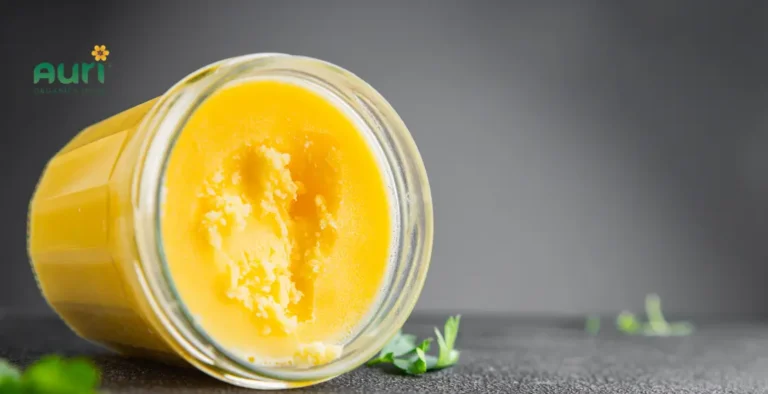
A2 ghee is clarified butter made from milk containing A2 beta-casein. Many traditionally produced varieties begin with cow’s milk and follow traditional methods of curdling, churning and heating.
Some products are made using the traditional bilona method.
A2 cow ghee is particularly popular among consumers looking for ghee made from milk associated with indigenous cow breeds.
The quality of the finished product depends on factors such as milk quality, processing, hygiene, storage and sourcing.
What Is Regular Ghee?
Regular ghee simply refers to clarified butter made by removing the milk solids and water from butter or cream.
The manufacturing process can vary significantly between brands.
Some commercial ghee products are made on a large scale using modern dairy-processing methods, while others may follow more traditional processes.
Therefore, “regular ghee” does not describe one single production method or nutritional profile.
A2 Ghee Benefits You Should Know
There are several reasons consumers choose A2 ghee.
1. Traditional Food Choice
A2 ghee is often associated with traditional Indian dairy practices. For people interested in traditional foods, this can be an important part of their purchasing decision.
2. Rich Taste and Aroma
Good-quality desi cow ghee can have a distinctive aroma and rich flavour. This makes it useful for adding taste to dal, rice, rotis and other Indian dishes.
3. Useful Cooking Fat
A2 ghee for cooking can be used for sautéing, roasting and preparing traditional dishes. It can also be used in baking and other recipes where a rich flavour is preferred.
4. Fat-Soluble Vitamins
Ghee contains fat-soluble vitamins, although the amounts can vary depending on factors such as the milk source and processing method.
It is still a concentrated source of fat and calories, so portion size matters.
Is A2 Ghee Healthier Than Regular Ghee?
This is where it is important to separate marketing claims from established evidence.
A2 ghee benefits are often promoted widely, but there is not enough high-quality evidence to conclude that A2 ghee is universally healthier than regular ghee.
The A2 label mainly describes the beta-casein type associated with the milk used. It does not automatically make the finished ghee low-fat, low-calorie or suitable for everyone.
For most people, the overall diet, quantity consumed and quality of the product matter more than simply choosing an A2-labelled product.
If you have a specific medical or dietary condition, follow advice from a qualified healthcare professional.
A2 Ghee vs Regular Ghee for Cooking
Both types can be used in cooking.
A2 ghee for cooking can be used for sautéing vegetables, making dal, preparing rotis and adding flavour to rice and other dishes.
Regular cow ghee can be used in many of the same ways.
Your choice may therefore come down to factors such as taste, sourcing, production method, price and personal preference.
Rather than assuming that one type is automatically suitable for everyone, check the product label and choose according to your requirements.
Bilona A2 Ghee vs Regular Ghee
You may also see the term bilona A2 ghee on premium ghee products.
Bilona refers to a traditional method where curd is churned to separate butter, which is then heated to make ghee.
This is different from simply saying that a ghee is A2.
In other words, A2 describes the type of beta-casein associated with the milk, while bilona describes a traditional production method.
A product can therefore be marketed as both A2 and bilona if it meets the relevant sourcing and production claims.
How to Identify Pure A2 Ghee
If you are looking for pure A2 ghee, don’t rely only on the front label.
Check the product information carefully.
Check the Milk Source
Look for clear information about the source of the milk and the breed or type of cattle used.
Check the Ingredients
A simple ghee product should have a clear ingredient declaration. Avoid making assumptions based solely on words such as “traditional” or “natural.”
Understand the Production Method
If you specifically want traditional ghee or bilona ghee, check whether the manufacturer clearly explains how the product is made.
Look for Transparent Information
A trustworthy brand should provide clear information about ingredients, sourcing, manufacturing and storage.
How to Use A2 Cow Ghee Daily
You do not need to make major changes to your diet to include A2 cow ghee.
A small amount can be added to dal, rice, roti or cooked vegetables for flavour. It can also be used for suitable cooking and baking recipes.
Remember that ghee is calorie-dense. Using moderate portions is important even when the product is high quality.
Why Choose Auri Organics A2 Ghee?
Auri Organics offers A2 ghee as part of its range of traditionally inspired food products.
For consumers looking for pure A2 ghee, factors such as sourcing, production method, ingredients and product transparency are useful things to consider before buying.
Auri Organics’ approach focuses on traditional food products that can be incorporated into everyday meals without making cooking complicated.
Conclusion
When comparing A2 ghee vs regular ghee, the main differences relate to the milk source and, in some products, the traditional method used to make the ghee.
A2 ghee is associated with milk containing A2 beta-casein, while regular ghee is a broader category that can include ghee made through different dairy-processing methods.
There is not enough evidence to say that A2 ghee is automatically healthier for everyone. Instead, consider the ingredients, sourcing, production method, taste and how much ghee you normally consume.
For those who prefer traditionally sourced dairy products, Auri Organics offers an A2 ghee option that can be used in everyday Indian cooking.
Frequently Asked Questions (FAQs)
What is the difference between A2 ghee and regular ghee?
A2 ghee vs regular ghee mainly differs in the milk source. A2 ghee is made from milk associated with A2 beta-casein, while regular ghee is a broader category that can be made using different milk sources and production methods.
Is A2 ghee healthier than regular ghee?
There is not enough strong evidence to conclude that A2 ghee is universally healthier than regular ghee. Both are concentrated sources of fat, so moderation is important.
What are the benefits of A2 ghee?
A2 ghee benefits include its use as a cooking fat, rich flavour and association with traditional dairy practices. However, health claims should be considered carefully because evidence for specific advantages over regular ghee is limited.
Is A2 ghee good for daily cooking?
Yes. A2 ghee for cooking can be used in everyday recipes such as dal, vegetables, rice and roti. Use it in moderate quantities as part of a balanced diet.
How can I identify pure A2 ghee?
To identify pure A2 ghee, check the ingredient list, milk source, production method and information provided by the manufacturer. Don’t rely only on the A2 label or marketing claims.
Is bilona A2 ghee different from regular ghee?
Yes. Bilona A2 ghee refers to two different characteristics: A2 relates to the beta-casein type associated with the milk, while bilona refers to a traditional churning-based production method. Regular ghee may be made using other production methods.