If you have been keeping abreast with current events on food labels and discussions on healthy living, then you must have surely picked up on the debate surrounding different cooking fats and oils used in our day-to-day foods. A major debate at the center of these discussions is the existence and function of seed oils, …

If you have been keeping abreast with current events on food labels and discussions on healthy living, then you must have surely picked up on the debate surrounding different cooking fats and oils used in our day-to-day foods. A major debate at the center of these discussions is the existence and function of seed oils, and why they seem to present themselves in most foods we eat today.
But what are seed oils? In simple definition, they are edible oils that are derived from plants’ seeds. Because they are inexpensive, stable, and flavorless, seed oils are ubiquitous in households, packaged foods, and industrial food processing. Most of the commonly consumed oils are included in this group and are obtained from different oil seeds containing, by nature, low to moderate levels of extractable fat.
With increased awareness about the processing of food, however, long-term health effects related to these oils have begun to attract some interest. Some of the consumers may view seed oils as being accessible and practical, whereas others may be aware of the process of manufacturing them and may be aware of how frequently they need to consume them.
Today, with Auri Organics and other such organizations that promote traditional practices, the conversation seems to have also included such entities, who are emphasizing the need to first know what goes into our food before making a decision based solely upon trends and perceptions.
Table of Contents
What Are Seed Oils?
In order to understand what seed oils actually mean, and what they entail, it is important that first and foremost we clearly understand what seed oils actually mean. They can be defined as vegetable oils that are gathered from seeds and not from fruits and nuts. The seeds from which they are gathered and produced can be very small and may contain very little oil.
Most varieties of seed oils are derived by crushing or pressing seeds, with subsequent industrial methods applied to achieve maximum oil extraction. Unlike oils for which extraction was done through simpler, more traditional techniques, seed oils often necessitate high heat, mechanical pressure, or chemical assistance in the processing of the oil.
Common Examples of Seed Oils
Some of the commonly used, more familiar oils across the world:
- Soybean oil
- Sunflower oil
- Canola oil
- Corn oil
- Cottonseed oil
- Rice bran oil
These oils are derived from various oil seeds, yet they find considerable usage due to their affordability, lack of significant flavor, and the ability to easily enlarge the quantities to meet the needs of mass food production. However, as the interest in the quality of foods increases, brands such as Auri Organics are also helping to enlighten people regarding the extraction of the oils used in their regular consumption.
Common Types of Seed Oils
Seed oils have their application either within the kitchen or even during the manufacturing of foodstuffs. All the seed oils have differing seed origins. In most of the seed oils, the refinishing technique seems to be similar, though. Seed oils have therefore become the major choice for consumption in the contemporary diet due to their availability and the convenience of the price, with many people wondering what are seed oils.
Some of the widely consumed seed oils are:
- Soybean oil, a commonly used processed food ingredient
- Sunflower Oil, commonly used as a household cooking oil
- Canola oil, extracted from rapeseed
- Corn oil, frequently used for frying
- Cottonseed oil, found in packaged snacks
- Rice bran oil, extracted from rice husks
These oils are obtained from various types of oil seeds, where the proportion of oil and fats is naturally small. Due to this reason alone, these oils are widely produced in large quantities as per the demands of today’s kitchen.
How Are Seed Oils Made?
An important aspect of the debate about what seed oils actually are has been how they were produced and processed prior to human consumption.
Industrial Extraction Process
Most seed oils are extracted using a combination of:
- High heat
- Mechanical pressure
- Chemical solvents
Since oil seeds naturally yield very little oil, these methods are used to extract the maximum possible amount efficiently.
Refining, Bleaching, and Deodorizing
Following the process of extraction, oil derived from seeds usually goes through several refining processes:
- Refining removes impurities
- Bleaching improves colour
- Deodorizing removes strong odours
Although all of the above measures secure the shelf life and the look, they also change the oil’s natural structure.
Impacts on Nutritional Quality
Overprocessing may affect the nutritional quality of seed oil as well and is one reason so many consumers are rethinking their daily use in the kitchen and asking themselves what seed oils really are.
While gaining awareness, other brands also help consumers better understand sourcing and processing. Auri Organics teaches people to “Think Before They Eat, rather than move on trends”. Spotlighting heritage choices and transparency, Auri Organics will be on hand to help make the best decisions in an ever evolving conversation on oil seeds and modern food ways.
Uses of Seed Oils in Everyday Life
Seed oils are everywhere; they pop up in daily meals without people even realizing how often. Because of their cheap production cost, neutral flavor, and easy access, there is a deep entrenchment of seed oils in our modern food systems. This is one of the reasons why many individuals today raise questions as to what seed oils are and how often they should be consumed.
Where Vegetable Oils Are Commonly Used
Uses of seed oils:
- Frying and home cooking
- Packaged and processed foods
- Restaurant and fast-food preparation
- Commercial food manufacturing
Since the production process of the oil does not require complexity, food manufacturers greatly depend on the product. This is because the oil remains stable over a long time. Also, the oil content is mainly obtained from different oil seeds that contain some fat but are processed extensively.
Health Effects of Seed Oils
The seed oils have been always in debate regarding their health implications. To understand what seed oils are, one has to consider both their functional role in cooking and their possible effect on the body after continuous consumption.
Omega-6 Fatty Acids and Balance
These oils also have large amounts of Omega-6 fats, which are present in most seeds. It is very important to have Omega-6 fats and others in our bodies, but an imbalance caused by a large intake of these seeds and processed foods results in inflammation.
Inflammation and Overconsumption
When seed oils play an important role in the composition of regular meals, such as through processed or fast food, it may have consequences for the body’s inflammatory response. This, of course, becomes linked with contemporary issues of health and diet in general rather than moderate consumption. Many nutrition discussions around what are seed oils focus on this pattern of overconsumption rather than the oils themselves.
Heart Health Considerations
Some seed oils are promoted as heart-friendly, but their effects depend largely on:
- Level of processing
- Quantity consumed
- Overall dietary balance
- Overall dietary balance
Health outcomes are determined less by single claims but rather by how these seed oils are used within the larger diet.
Are Seed Oils Bad for You?
Now that you know a bit more about seed oils, the question often asked is: should I avoid them all together? The answer is not straightforward.
When Seed Oils May Cause Issues
Seed oils may become problematic when:
- Consumed in excess
- Sourced from heavily refined products
- Combined with highly processed foods
In these situations, the concern lies more with the overall diet pattern than with individual oils extracted from oil seeds.
Importance of Moderation
Like most fats, the best way to consume seed oils is in moderation. Their occasional use differs from their regular exposure through processed and eating-out foods. Many dietary worries are a product of the frequency with which seed oils are used over a series of meals.
Science vs Social Media Opinions
The negative connotations of seed oils are often highlighted in social media circles, with scientific views emphasizing balance, production, and quality. It is for this very reason that decision-making in this context is recommended rather than dwelling in fear.
As the dialogue about cooking oils continues to change, companies like Auri Organics focus on learning, understanding, and education, rather than extremism. Auri Organics believes that understanding ingredients, source, and processing is helpful to consumers to enable them to make informed choices. By inviting consumers to learn about seed oils, Auri Organics promotes moderation, balance, and wisdom in consumers’ food choices.
Seed Oils vs Cold-Pressed Oils
The knowledge about seed oils becomes clearer if these are to be compared with cold-pressed oils, also known as traditional oils. These oils, though being employed for culinary purposes, are vastly different.
Key Differences
Source of extraction and extraction methods: Seed oils are extracted with the help of intensive industrial processes, while cold-pressed oils opt for the extraction methods without the use of too much heat or chemicals.
Nutritional value: Cold-pressed oils generally retain more natural compounds, while seed oils may lose some during refining.
Fat balance: Overall, traditional oils have far better fat balance than their highly refined and processed seed oil counterparts.
Heat stability: The processing affects the very behavior of oils while heating up, which then relates to their everyday use in cooking.
For that reason, many people will opt to use minimally processed oils for regular cooking once they learn more about seed oils and how processing affects them.
Healthier Alternatives to Seed Oils
With a growing awareness regarding food processing, more and more people are looking for other alternatives to the heavily refined seed oils. This often comes from a desire to go back to the roots when it comes to oils in their most natural form.
Better Choices of Oil Include:
- Cold-pressed oils
- Wood-pressed oils
- Traditional cooking fats
Generally, these alternatives are less processed and extracted by slower, more traditional methods. These are generally preferred for regular use over oils derived from oil seeds using industrial techniques. Learning what are seed oils helps consumers understand why minimally processed fats are starting to gain attention.
Cooking Oils You Can Explore at Auri Organics
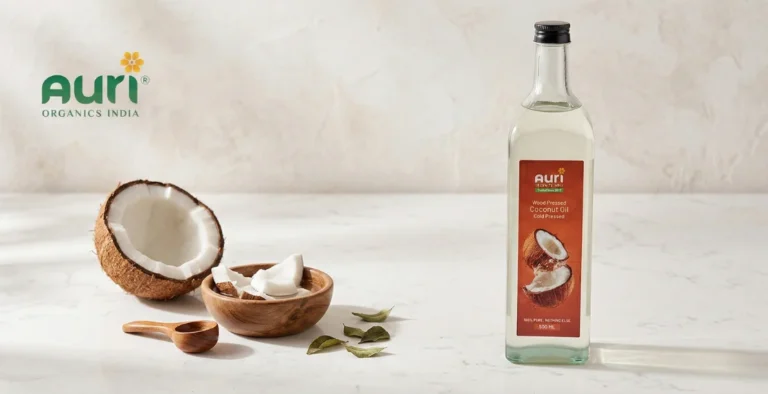
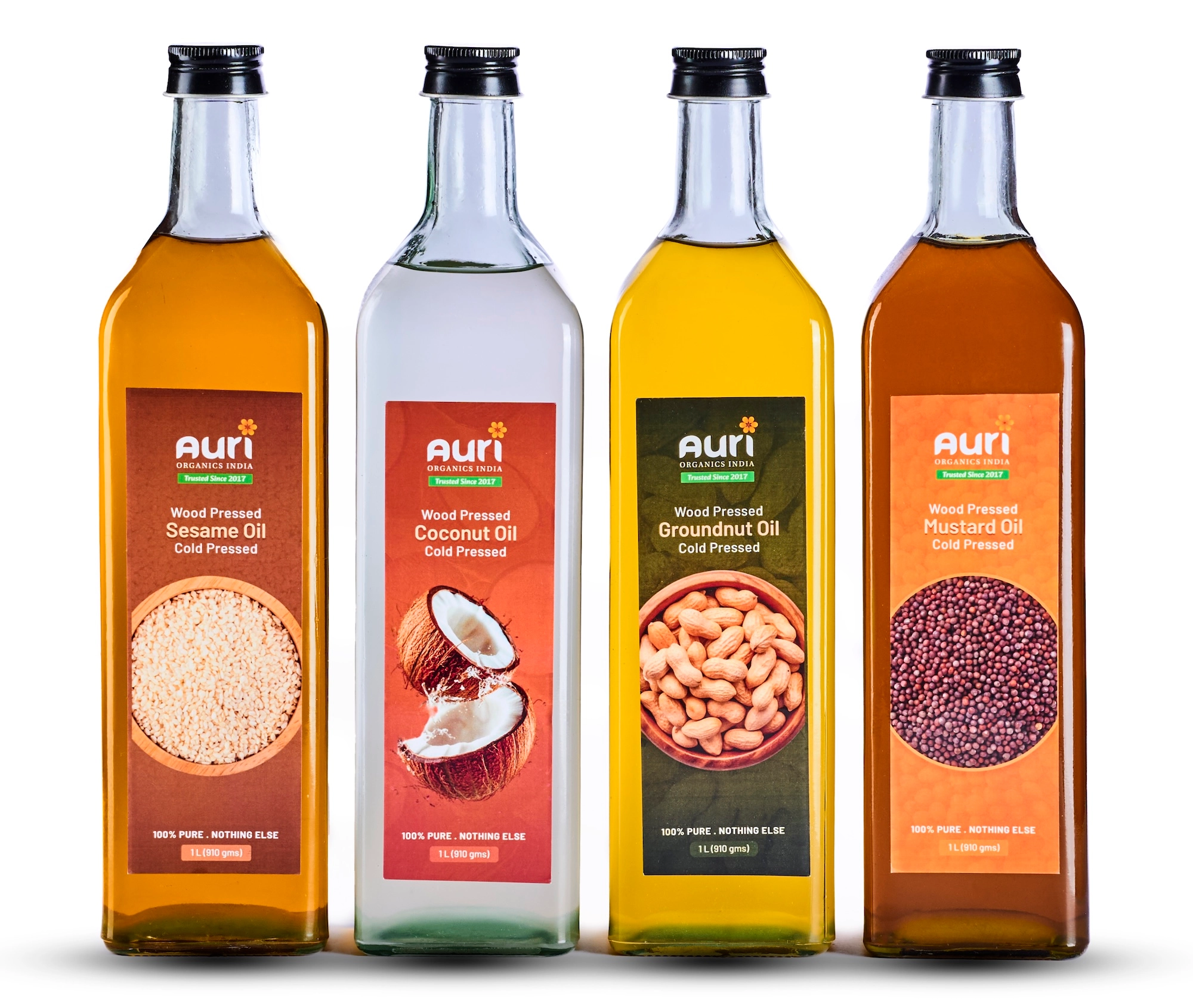
Companies like Auri Organics concentrate on providing people with essential oils that have traditional and low-processing techniques, as opposed to the shortcuts associated with commercial or industrial methods of production.
Their scope encompasses:
Through presentations on traditional methods of extraction, Auri Organics helps inform consumption choices, especially where the discussion on seed oils remains dynamic in nature. As individuals contemplate alternative personal cooking fats beyond what they consider to be seed oils, they can become interested in these alternatives.
How to Choose the Right Cooking Oil
When choosing an adequate level of oil to prepare a meal, cook with, or to fulfill a specific need or wish, you need to take into account your specific ways, needs, or wishes. Not only is no level best suited to every function, but the choice would also have to exclude seed-based oils, as opposed to other, more traditional oils.
Key Factors to Consider
- Smoke point according to the method of cooking
- Level of processing
- Nutritional Balance
- Daily cooking versus occasional frying
Rotating the different oils depending on the areas of usage can also be recommended. With the more knowledge people now have regarding seed oils, they attempt to maintain the necessary balance while thinking of the long-term food quality, including the entire pattern of their diets.
Conclusion
Knowing what seed oils are can help take the discussion beyond fear tactics and blind acceptance. Seed oils are an important part of the modem diet, so totally eliminating them is neither practical nor, in a lot of cases, necessary. What is important is learning about seed oils, to what frequency, and to what extent.
Thus, while it has implications on use and health consequences as well as potential alternatives, people are then able to take a decision which suits their lifestyle or cooking habits. The multiple oil extractions of various seeds will serve different purposes; at least the consciousness of its extraction will help in deciding which oil to use and when to use. Excessive use of highly processed versions is a major problem rather than moderate and selective consumption.
Using traditional, minimally processed varieties where possible will go some way toward creating a balanced lifestyle in our day-to-day lives, especially as consumers are increasingly looking into options that allow us to keep a balanced perspective, especially in the use of natural extraction practices, which Auri Organics has been working towards, creating a shift in consumers that are focused now towards being educated, as opposed to blindly following trends.
Ultimately, understanding what seed oils are will help free you from the extremes, and even guide you in becoming a more sustainable person in life.
Explore Traditional Cooking Oils for a Healthier Kitchen
Looking for minimally processed cooking oils made using traditional extraction methods? Discover wood-pressed oils crafted for purity, balanced nutrition, and authentic flavour.
Frequently Asked Questions
What is a seed oil composed of?
To know what seed oils are, it is important first to know that seed oil is composed of oil extracted from oil seed products used from soybean, sunflower, corn, or rice bran.
Are seed oils unhealthy?
Again, they are not bad in and of themselves; overconsumption of seed oils in very processed forms could possibly be an issue in many people’s daily lives.
Can seed oils be used as cooking fats?
Yes, seed oils can be taken as daily use. At the same time, information about the kinds of seed oils can help in the formulation of the alternatives of usage.
What are the differences between seed oils and cold-pressed oils?
Cold-pressed oils undergo less refining versus that of seed oils which could require further refining from oil seeds to increase the amount of oil obtained.
What kinds of oil are good long-term?
For long-term use, minimally processed oil seems to be the better choice. Many people explore traditional options highlighted by Auri Organics, which focuses on transparency and informed choices. Auri Organics encourages understanding ingredients so consumers clearly know what are seed oils and when to use them wisely.